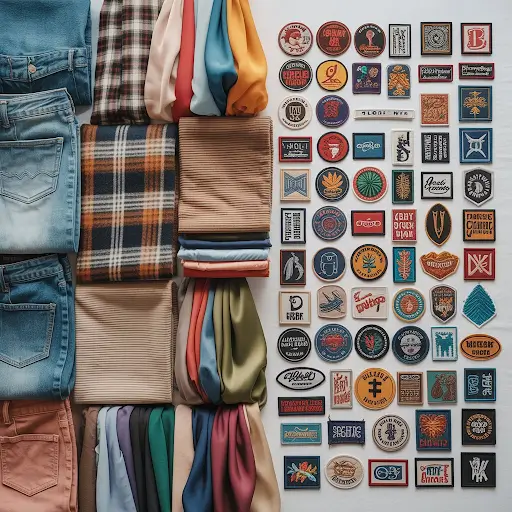
Here’s the thing most people learn after their patch starts curling, cracking, or falling off mid-wash: fabric matters more than you think. You can design the sharpest custom patches in the UK, pick premium threads, even order from the best patch maker but if the fabric and patch type don’t get along, the result is… tragic. Like putting racing tyres on a shopping trolley.
This guide breaks down which fabrics pair best with which patch styles, without fluff, without guesswork, and without pretending all fabrics behave the same. Whether you’re ordering custom embroidered patches for hoodies, PVC patches for bags, or bulk custom patches for uniforms, fabric compatibility is the silent deal-maker. Let’s start where most brands, clubs, and businesses actually live.
Cotton & Cotton Blends: The All-Rounder Fabric That Plays Nice
Cotton is Britain’s everyday fabric hero, hoodies, T-shirts, tote bags, workwear basics. And good news: cotton is very patch-friendly.
Best Patch Types for Cotton:
- Custom embroidered patches
- Custom woven patches
- Custom printed patches
- Custom iron on patches
- Sew on patches for clothes
Cotton handles heat well, which makes iron-on patches reliable and clean. It also holds stitching firmly, so embroidered and woven patches don’t distort over time.
This is why cotton is the go-to fabric for:
- custom patches for hoodies
- school mascot patches
- custom logo patches for jackets
- promotional patches for brand marketing
If you’re unsure where to get custom patches made that work across multiple cotton products, this is the safest playground.
Tip: Heavy cotton (like hoodies and sweatshirts) loves embroidered patches. Lightweight cotton tees prefer woven or printed patches to avoid stiffness.
Denim: Tough Fabric, Needs Tough Patch Choices
Denim is thick, textured, and stubborn, in a good way. But not every patch earns its place on a denim jacket.
Best Patch Types for Denim:
- Custom embroidered patches
- Custom chenille patches
- Custom leather patches
- Custom applique patches
Denim can easily support heavier patches, which is why biker clubs, festivals, and vintage brands swear by it. Common uses include:
- custom biker patches for jackets
- club member’s patch
- custom patches for festivals
- custom patches for events
Denim also handles sew-on patches better than iron-on in the long run. Iron-on can work, but washing and flexing may loosen the adhesive over time.
If you’re comparing materials and wondering what holds up best on denim, the breakdown in Custom Patches Reviews: Best & Worst Materials Ranked! fits perfectly into this decision-making process. That guide makes it painfully clear which materials survive denim abuse and which ones wave the white flag early.
Polyester & Synthetic Blends: Tricky, But Not Impossible
Sportswear, uniforms, and performance apparel are often made from polyester or blends. These fabrics are lightweight, flexible, and sometimes heat-sensitive.
Best Patch Types for Polyester:
- Custom woven patches
- Custom sublimated patches
- Custom PVC patches
- Hook-and-loop (Velcro) patches
Iron-on patches can be risky here, too much heat and the fabric melts faster than your patience. That’s why many UK brands opt for sew-on or Velcro-backed patches on polyester. This fabric is common in:
- custom team patches for sports uniforms
- bulk custom patches for uniforms
- custom military patches UK
- corporate logo patches UK made
PVC patches shine here because they flex with the fabric instead of fighting it.
Leather & Faux Leather: Minimalist Fabric, Maximum Authority
Leather doesn’t like clutter and it definitely doesn’t like needles poking holes without permission.
Best Patch Types for Leather:
- Custom PVC patches
- Embroidered patches (professionally sewn)
Iron-on patches are a no-go unless you enjoy melted regret. Sew-on or adhesive-backed patches installed professionally are the safest route.
Leather patches work brilliantly for:
- custom logo patches for bags
- custom logo patches for jackets
- branding with custom patches
- personalised fabric patch designs
Less is more here. One well-placed patch beats five awkward ones every time.
Nylon & Outdoor Fabrics: Built for Weather, Not Weak Attachments
Nylon appears in backpacks, outdoor gear, workwear, and tactical setups. It’s slippery, durable, and doesn’t care for heat.
Best Patch Types for Nylon:
- Custom PVC patches
- Hook-and-loop patches
- Rubber-backed patches
That’s why you’ll see Velcro everywhere on:
- tactical bags
- custom military patches UK
- outdoor uniforms
- high-visibility gear
PVC patches dominate this space because they’re waterproof, flexible, and unbothered by rough conditions.
Fleece & Softshell: Comfort First, Patches Second
Fleece is cosy, flexible, and fuzzy, which means it doesn’t love heavy stitching or aggressive adhesives.
Best Patch Types for Fleece:
- Custom woven patches
- Custom printed patches
- Lightweight embroidered patches
- Hook-and-loop (Velcro) patches
Thick embroidered patches can sink into fleece, losing definition faster than British sunshine. That’s why woven or printed patches are better here, they sit flatter and stay legible.
Fleece is common in:
- workwear
- school uniforms
- outdoor team gear
Pro tip: If fleece is for staff or events, Velcro-backed patches give flexibility and prevent permanent damage.
Canvas & Heavy Twill: Built for Weight, Built for Patches
Canvas is tough. It wants patches. It welcomes them.
Best Patch Types for Canvas:
- Custom embroidered patches
- Custom PVC patches
- Custom leather patches
- Custom applique patches
Canvas handles weight beautifully, making it ideal for:
- tote bags
- backpacks
- jackets
- custom logo patches for bags
This is prime territory for branding with custom patches, especially for small businesses wanting longevity without fuss.
Knitwear & Wool: Handle With Care
Jumpers, beanies, scarves, knit fabrics stretch, move, and rebel when treated roughly.
Best Patch Types for Knitwear:
- Sew-on woven patches
- Light embroidered patches
- Small printed patches
Iron-on patches are risky here. Heat can flatten or distort fibres, while heavy embroidery can pull the knit out of shape.
Common uses include:
- custom hat patches
- personalised clothing patches
- school uniform accents
Keep patch size modest and stitching light, subtle wins here.
Hats & Caps: Fabric Depends on the Build
Caps aren’t one fabric, they’re a mash-up of cotton twill, mesh, polyester, and sometimes foam.
Best Patch Types for Hats:
- Custom woven patches
- Custom embroidered patches
- Custom PVC patches
- Custom leather patches
That’s why brands love:
- custom logo patches for hats
- snapbacks
- trucker caps
- beanies
PVC patches work especially well on structured caps because they hold shape without cracking.
Bags & Accessories: Abuse-Ready Pairings
Bags get thrown around. Literally.
Best Patch Types for Bags:
- Custom PVC patches
- Custom leather patches
- Hook-and-loop patches
These patches survive:
- friction
- weight
- weather
- daily chaos
Which is why they’re popular for:
- custom logo patches for bags
- promotional merchandise
- corporate gifting
If you’re deciding between durability and aesthetics, PVC usually wins.
Choosing the Right Backing: The Final Deal-Breaker
Fabric and patch type matter but backing decides whether they stay together. Iron-on, sew-on, adhesive, Velcro, each backing behaves differently depending on fabric. This is where many people guess instead of choosing smart.
The breakdown in Choose The Right Backing For Your Custom Patch ties perfectly into this stage. It explains which backing works with which fabric and which combinations should never meet.
FAQs
Which fabric works best for custom embroidered patches?
Cotton, denim, canvas, and twill provide the best support and stitch stability.
Are iron-on patches safe for all fabrics?
No. Iron-on patches work best on cotton and heavy blends. Avoid delicate, stretchy, or heat-sensitive fabrics.
What’s the best patch type for sports uniforms?
Woven, sublimated, or PVC patches with sew-on or Velcro backing work best on polyester uniforms.
Do PVC patches damage fabric?
No, when properly attached. They’re flexible, lightweight, and ideal for nylon, bags, and outdoor gear.
How do I avoid patches peeling off?
Match the patch type, backing, and fabric correctly and avoid shortcuts with heat or glue.
Fabric Is the Silent Partner in Patch Success
The best patch maker in the UK can craft stunning designs but fabric decides how long they stay stunning. When you match the right patch style with the right fabric, you get: durability, cleaner aesthetics, happier customers, and fewer replacements. So whether you need bulk patches for uniforms, personalised embroidered patches, or fast turnaround custom patches UK, always start with the fabric and order from Patch Makers UK.


